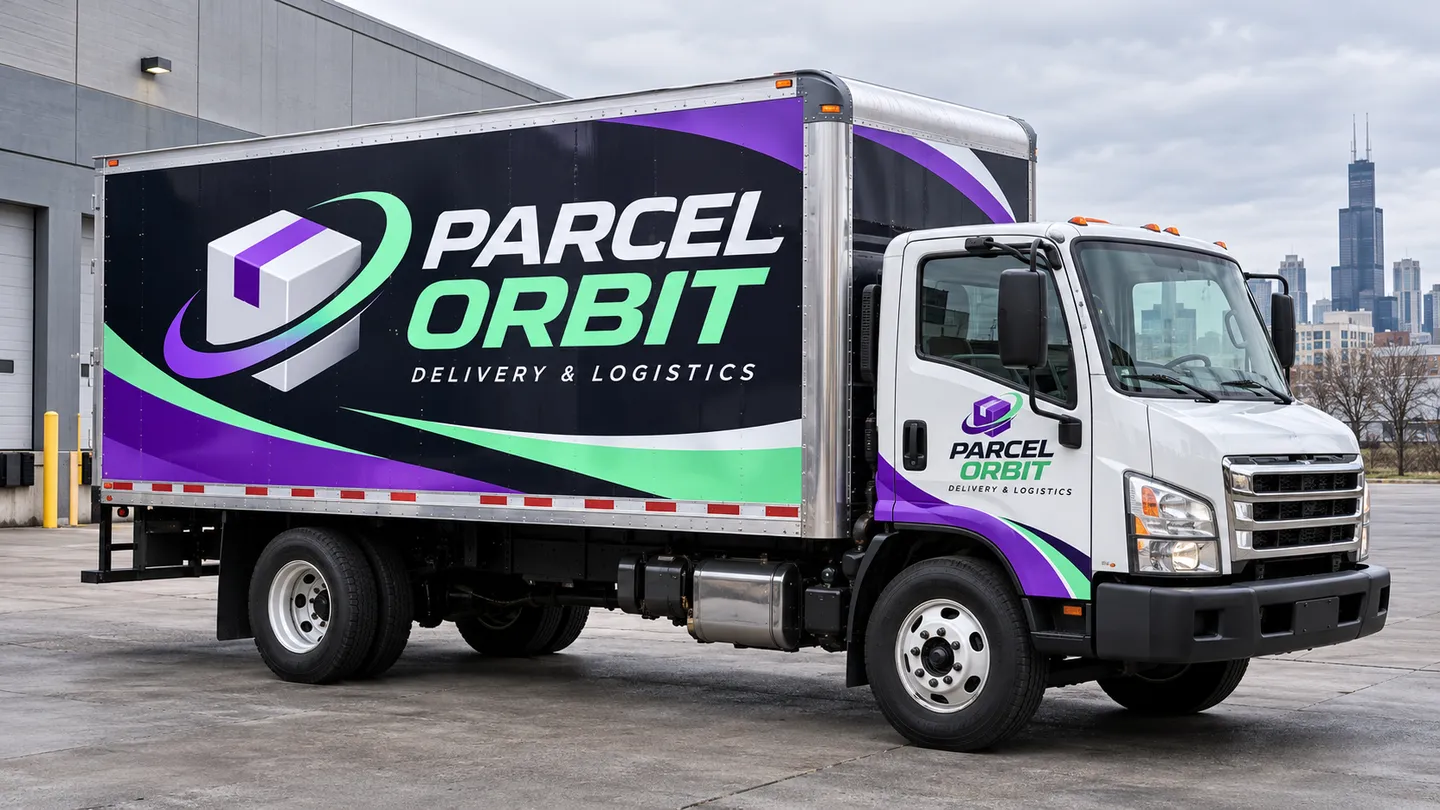
Name each surface and its reference
Give the left side, right side and rear separate entries. Record where each dimension begins and ends, such as the visible flat panel boundary or the full outside body edge. Avoid switching reference points between sides while keeping the same row label.
Identify the vehicle and body with stable references. A box length from a purchase listing may describe something different from the usable printed surface. Keep any unverified specification labeled as a reference, then ask the supplier which physical dimensions are required for the proposed coverage.
- Record units beside every measurement.
- Use consistent surface and reference-point names.
- Label unverified specifications as unconfirmed.
Separate area from production layout
Multiplying length by height provides a rectangular planning area. It does not account for material direction, overlaps, seams, cutouts or the way panels are divided for production. The worksheet should therefore be used to understand scale and open questions, not to place a material order automatically.
Photograph edges, roof caps, rails and hardware that affect the visible surface. If a measurement crosses those details, note it clearly. A production provider needs to decide how the proposed graphic is built and fitted to the actual body rather than infer that information from one area total.
- Keep area estimates separate from panel cut sizes.
- Show rails, caps and edge construction.
- Ask how overlap and coverage boundaries will be handled.
Keep the survey traceable
Record who measured the body, when the measurement was taken and which tool or document supplied it. Attach photographs with the same surface labels. When the vehicle changes or a different body is added to the project, repeat the relevant checks rather than inheriting a previous truck’s dimensions.
Give the supplier the original notes and identify low-confidence entries. Keep the verified production references with the approved scope. Product technical information supports selection for the actual substrate and construction; it does not turn a conceptual area worksheet into a validated template.
- Identify the source and confidence of each dimension.
- Retain original measurement photos.
- Get production dimensions confirmed before release.
Keep a working record
Before you approve the next step
- Identify the actual truck and box body.
- Name each measured surface.
- Record dimensions and units.
- Explain the start and end reference points.
- Photograph edge construction and interruptions.
- Mark what still needs supplier confirmation.
Use the free planning tool to organize the details you can confirm and the questions still open.
Four questions before the next step
Can the worksheet tell me how much film to buy?
Its area result is conceptual. Production takeoff needs the actual material, panel arrangement, seams, overlaps, direction and allowance decisions made by the provider.
Read the detailed guide: Record box truck dimensions with clear reference points
Should both sides be measured separately?
Record each side separately and ask which checks the provider requires. Hardware, damage or body details can differ even when the overall sides look similar.
Read the detailed guide: Record box truck dimensions with clear reference points
Does a large flat side guarantee easy installation?
No. Construction, surface condition, hardware, preparation and the selected material still need review. Flat appearance alone does not describe the full job.
Read the detailed guide: Survey box body construction before graphics production
Can the photo survey approve paint condition?
It helps identify concerns, but the provider may need to inspect the actual surface. Record known history honestly and keep uncertain areas unresolved until reviewed.
Read the detailed guide: Survey box body construction before graphics production
Original technical sources
Use the linked publisher's current instructions for the exact product and vehicle. This planning guide does not replace its application, safety or warranty requirements.